
Repairing Chipped Teeth with Dental Bonding
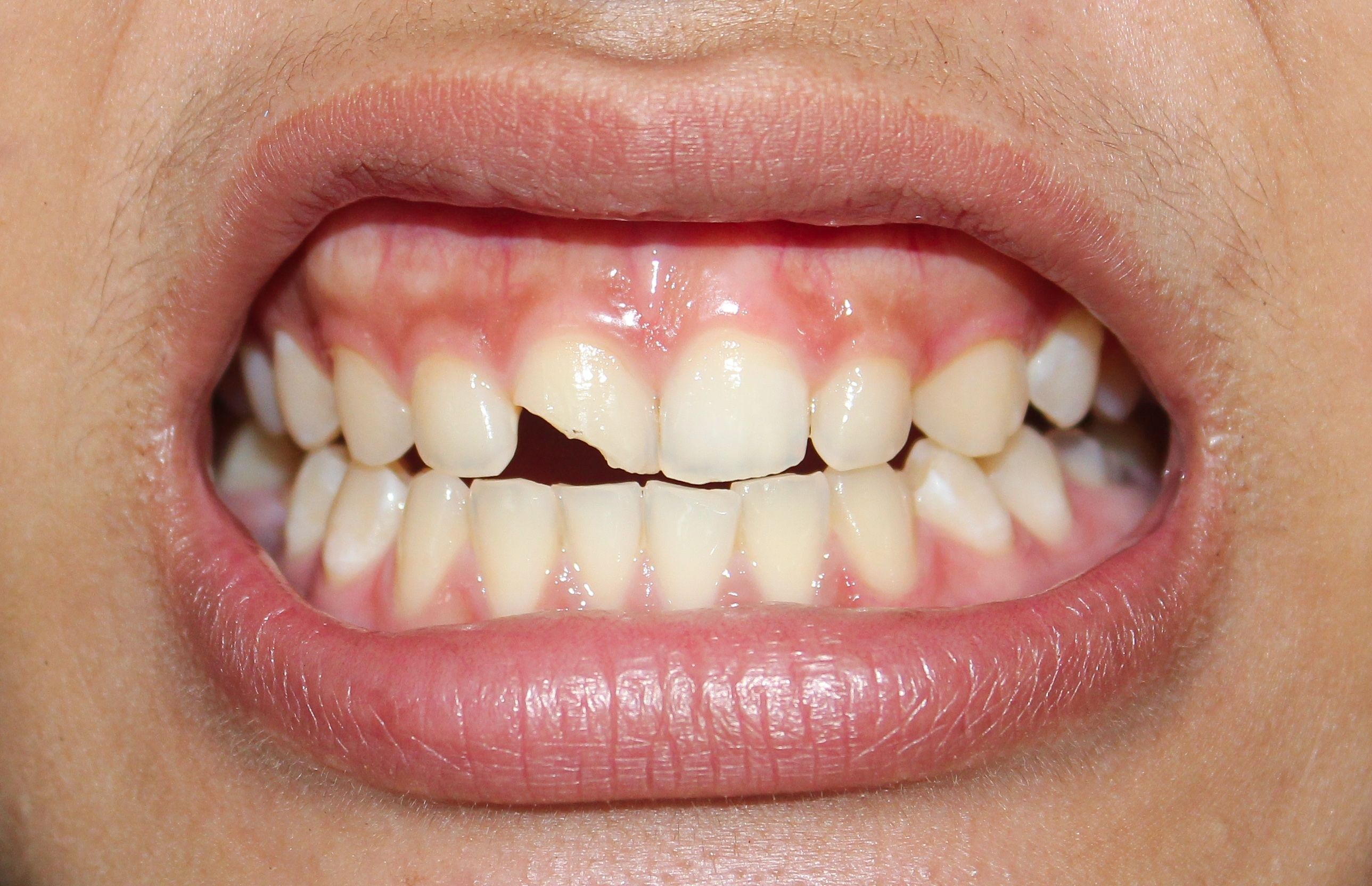
A chipped tooth can happen fast - a bite on something hard, a sports bump, or years of wear. Even small chips can catch on your lip, change how your smile looks, or make a tooth feel sensitive. Dental bonding is a common option for chipped tooth repair because it can restore shape and appearance with a natural-looking finish.
What Dental Bonding Is
Dental bonding, also called tooth bonding, uses a tooth-colored composite resin to rebuild the missing portion of a tooth. The material is shaped directly on the tooth, then hardened with a curing light and polished to blend in with your smile. Because bonding can be done with minimal enamel removal, it is often considered a conservative cosmetic dentistry solution for minor to moderate chips.
When Bonding Is a Good Fit for a Chipped Tooth
Bonding is typically ideal when the chip is small to medium, the tooth structure is mostly intact, and the bite forces on that tooth are manageable. It is commonly used on front teeth and edges that are visible when you smile. If the chip is related to decay, grinding, or an old filling that failed, your dentist may recommend addressing the underlying issue first so the repair lasts.
What to Expect During the Appointment
Most dental bonding appointments are straightforward. The tooth is evaluated, then lightly prepared so the bonding material can adhere properly. A shade is selected to match your natural enamel, and the composite resin is applied in layers for a more realistic look. Once the material is cured, your dentist refines the shape and polishes the surface for a smooth finish. In many cases, chipped tooth bonding can be completed in a single visit.
Benefits of Dental Bonding for Chipped Teeth
- Natural look with tooth-colored composite resin that can be matched to your enamel
- Conservative repair that often requires little to no drilling
- Efficient treatment that is frequently completed in one appointment
- Improved comfort by smoothing sharp edges that irritate the tongue or cheek
- A practical cosmetic dentistry option for many minor chips
How to Care for a Bonded Tooth
Bonded teeth can be cared for like natural teeth, but a few habits help protect the repair. Brush and floss daily, keep regular dental checkups, and avoid using your teeth as tools for opening packages. If you chew ice, bite pens, or clench at night, let your dentist know - these habits can shorten the lifespan of bonding. If the tooth feels rough, looks stained, or the edge changes, an evaluation can determine whether it needs a polish or touch-up.
Is Dental Bonding Right for You?
Some chips are too large for bonding alone, especially when the tooth has significant cracks, heavy bite pressure, or extensive damage. In those cases, veneers, crowns, or other restorative options may offer better durability. An exam is the best way to confirm whether dental bonding is the right approach for long-term chipped tooth repair.
To learn if dental bonding is right for your chipped tooth, schedule a dental exam at Valley Dental. Visit our office in Alberni, BC, or call (250) 724-6789 to book an appointment today.

Dental Services
Learn More
Keep
In Touch
MAP
CONTACT INFORMATION

HOURS OF OPERATION
Monday 8:00am - 5:00pm
Tuesday 8:00am - 5:00pm
Wednesday 8:00am - 5:00pm
Thursday 8:00am - 5:00pm
Friday 8:00am - 5:00pm
Saturday Closed
Sunday Closed
Powered by: 