
Beyond Wrinkles: How We Use Therapeutic Botox to Treat TMJ and Clenched Jaws
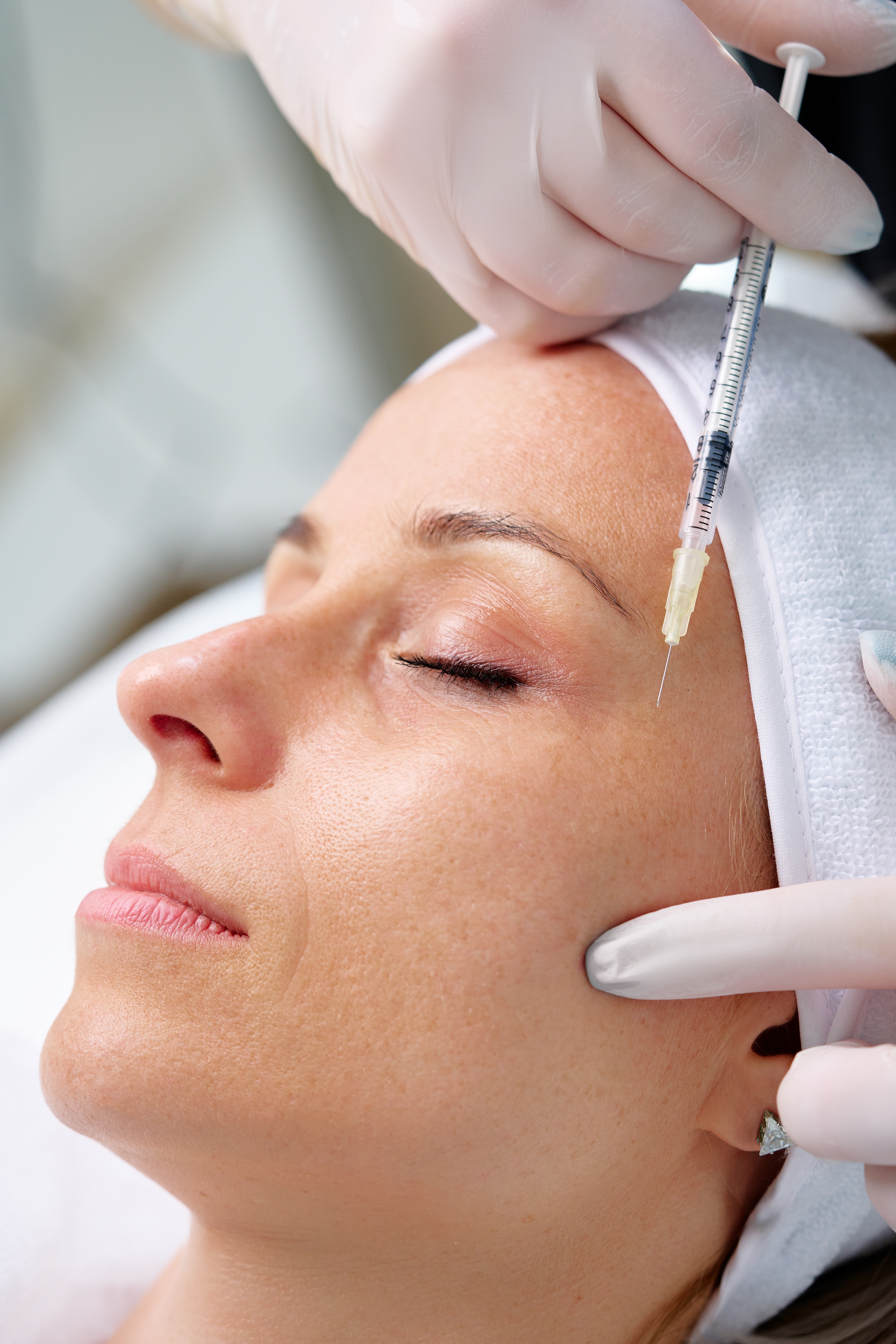
Botox is widely known for softening facial lines, but its ability to temporarily relax targeted muscles also gives it therapeutic applications. For patients in Port Alberni who struggle with jaw tension, teeth clenching, grinding, or certain TMJ-related symptoms, therapeutic Botox may offer another way to manage discomfort.
At Valley Dental, we can evaluate the muscles involved in your symptoms and determine whether Botox may be appropriate as part of your treatment plan.
Why Do Clenching and Grinding Cause Jaw Pain?
Your jaw muscles work every time you chew, speak, or swallow. When muscles such as the masseters become overactive, especially from frequent clenching or grinding, they may remain tense for extended periods.
Bruxism can occur while you are awake or during sleep, which means some patients do not realize how much pressure they are placing on their teeth and jaw. Over time, excessive muscle activity may contribute to facial soreness, jaw fatigue, headaches, tooth wear, or discomfort around the temporomandibular joints.
Common signs that excessive jaw tension may be affecting you include:
- Tight or sore jaw muscles
- Morning headaches or facial discomfort
- Teeth grinding during sleep
- Daytime jaw clenching
- Worn, chipped, or sensitive teeth
- Pain when chewing
- Muscle tenderness around the jaw and temples
- Jaw fatigue after extended talking or eating
Because these symptoms can have different causes, an evaluation is important before deciding on treatment.
How Does Therapeutic Botox Work?
Botox temporarily reduces the nerve signals that tell specific muscles to contract. When carefully injected into targeted jaw muscles, it can decrease excessive muscle activity while still allowing normal movements needed for speaking and eating.
For patients with chronic clenching or grinding, reducing the intensity of these contractions may help decrease muscle tension and related discomfort. Treatment is customized according to the muscles involved, your symptoms, and your individual anatomy.
Botox is not intended to permanently change how the jaw works. Its effects gradually wear off, so patients who benefit from treatment may require periodic appointments to maintain results.
Can Botox Help With TMJ Symptoms?
TMJ symptoms can develop for many reasons, including muscle tension, grinding, clenching, joint problems, bite-related factors, or a combination of issues. Botox is primarily used to address the muscular component.
If overactive jaw muscles are contributing to your discomfort, therapeutic Botox may help reduce the intensity of muscle contractions. However, it does not correct every cause of TMJ pain, which is why we evaluate your symptoms before recommending treatment.
At Valley Dental, other approaches for teeth grinding and TMJ-related discomfort may include custom-fitted mouth guards. Depending on your situation, Botox may be considered on its own or alongside other strategies.
What Should You Expect From Treatment?
Therapeutic Botox is performed using small injections placed into carefully selected muscles. Treatment is minimally invasive and generally does not require the recovery associated with surgical procedures.
Results are not necessarily immediate. The targeted muscles gradually begin to relax after treatment, and your dentist will discuss what to expect based on the areas being treated.
Because Botox treatment should be individualized, your consultation also gives us an opportunity to review your health history, medications, symptoms, previous treatments, and goals before deciding whether it is suitable for you.
When Should You Ask About Therapeutic Botox?
Persistent jaw tension should not automatically be dismissed as stress. If you regularly wake with a sore jaw, experience headaches associated with clenching, notice tooth wear, or feel that your jaw muscles never fully relax, a dental evaluation can help identify possible contributing factors.
If clenching, grinding, or TMJ-related muscle tension is interfering with your comfort, schedule a consultation with Valley Dental at 4110 6th Ave, Unit C, Port Alberni, BC V9Y 4M9 by calling (250) 724-6789. We can evaluate your jaw symptoms and determine whether therapeutic Botox or another personalized treatment approach may help reduce excessive muscle tension and protect your smile.

Dental Services
Learn More
Keep
In Touch
MAP
CONTACT INFORMATION

HOURS OF OPERATION
Monday 8:00am - 5:00pm
Tuesday 8:00am - 5:00pm
Wednesday 8:00am - 5:00pm
Thursday 8:00am - 5:00pm
Friday 8:00am - 5:00pm
Saturday Closed
Sunday Closed
Powered by: 